Mkata floodplain
Open savannah dotted with acacia, baobab and palm forms the main game-viewing area of the park.
Free quote, no obligation. We reply within 24 hours.
Mikumi National Park covers 3,230 km2 (1,250 sq mi) near Morogoro in central Tanzania and was established in 1964. It is the country's fourth largest national park and is managed by the Tanzania National Parks Authority, with open Mkata floodplain savannah as its main viewing area.
Travellers come from Dar es Salaam on a four to five hour drive for lions, elephants, giraffes and buffalo without needing a flight. Two or three days works well, and the park borders the Nyerere wilderness for longer southern circuits.
Our guides are adding their own photos of Mikumi National Park. They appear here as soon as they are uploaded.
Open savannah dotted with acacia, baobab and palm forms the main game-viewing area of the park.
The highway west through Morogoro makes Mikumi the simplest safari by road from Dar es Salaam.
Artificial pools about 5 km north of the park hold hippopotamus visible on short detours.
Rock formations of the Uluguru and Rubeho mountains frame the northwest plains away from the highway.
Mikumi borders the vast Nyerere wilderness and sits on the road toward Ruaha and Udzungwa.
The main road divides northwest floodplain circuits from quieter southeast woodland.
Lions hunt on the open Mkata plains among buffalo, zebra and wildebeest herds.
African bush elephants use the floodplain and woodland, especially near water in the dry months.
Mikumi giraffes are described as a link between Masai and reticulated forms by some biologists.
Plains game includes zebra, wildebeest, impala, common eland and kudu across the savannah.
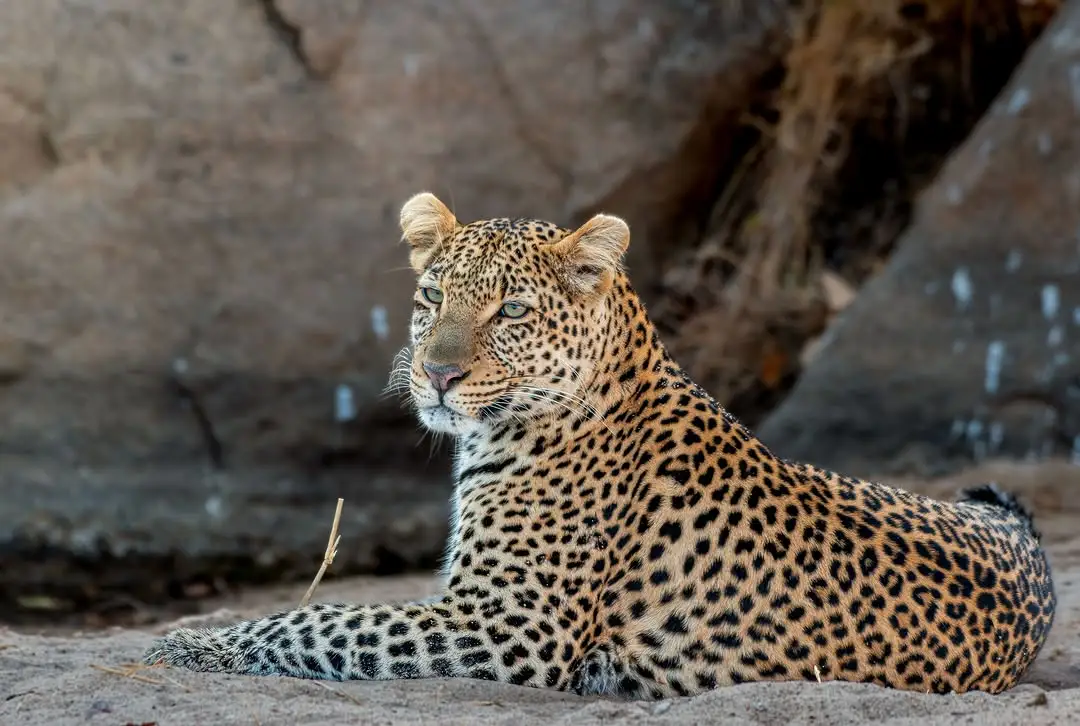
Leopards occur in the park though they are seen less often than lions on the open plains.
Floodplain and woodland birds make Mikumi a solid stop for birdwatchers on short coastal safaris.
The northwest is an open river-basin plain often compared with Serengeti-style grassland.
Acacia, baobab, tamarind and scattered palms define the classic Mikumi game-drive country.
The area south of the highway holds thicker cover and is less visited and less accessible.
The Uluguru and Rubeho ranges rise beyond the northwest plains away from the road.
June to October, the dry season for game drives on the Mkata floodplain
Months June to October
What to expect Firm tracks and open views across the Mkata floodplain.
Best for Game drives
Months November to December
What to expect Afternoon showers and greener grass on the plains.
Best for Birdwatching
Crowds and prices Quieter
Months January to February
What to expect Warm and green after the short rains.
Best for Quiet game drives
Crowds and prices Fewer visitors
Months March to May
What to expect Heavier rain. Some tracks muddy though the park stays open.
Best for Lush scenery
Crowds and prices Quietest months
Every price is per person in US dollars, from the base price.
Morning and afternoon drives cover lion country, elephants and open-plain herds near the highway.
A short diversion to the pools north of the park adds hippos to a day of plains game.
Two or three days from Dar es Salaam allow relaxed drives without a flight into the south.
Scan floodplain edges and woodland for more than 400 recorded bird species.
Add boat safaris on the Rufiji by continuing south into Nyerere National Park.
Nearby Udzungwa Mountains offer forest hikes and waterfalls on a longer southern circuit.
How Road
Time About 4 to 5 hours
Good to know Main highway west through Morogoro to the park
How Road
Good to know Closest large town on the approach from the coast
How Road
Good to know Borders the southern wilderness formerly part of Selous
How Road
Good to know Ferry or flight to Dar es Salaam, then road west to Mikumi
Several lodges and tented camps sit close to the main gate area for easy floodplain access.
Camps with views across the Mkata grassland suit sunrise and sunset game drives.
Basic bandas and campsites inside or beside the park serve budget itineraries from Dar.
Hotels in Morogoro work if you split the road journey between the coast and the park.
We book the lodge or camp that fits your budget when we plan your trip to Mikumi National Park.
The open Mkata floodplain is the centre of the park and has lions, elephants, giraffes, buffalo, zebra, wildebeest and hippo pools. The open grassland is often compared to a small Serengeti.
Mikumi is about four to five hours by road from Dar es Salaam on the main highway west through Morogoro, which makes it the easiest safari from the city. The 3 day Mikumi safari from Dar es Salaam includes game drives on two days.
Mikumi borders Nyerere National Park to the south, known for boat safaris on the Rufiji River. The Udzungwa Mountains next door have forest hikes and waterfalls. Ruaha further west suits longer trips.
June to October is the dry season and the best time for game drives. The short rains in November and the long rains from March to May make some tracks muddy, but the park stays open.
Yes, if you are in Dar es Salaam or Zanzibar and have two or three days. It has good game viewing without a flight.
You can see lions, elephants and buffalo, and leopards are seen at times. There are no rhinos open to visitors.
Yes. Take the ferry or a short flight from Zanzibar to Dar es Salaam, then drive to Mikumi.
The drive usually takes about four to five hours west on the main highway through Morogoro. That road access makes Mikumi the easiest Tanzanian national park to reach from Dar es Salaam without a flight. The town of Mikumi sits beside the park.
June to October is the dry season and the strongest period for game drives on the Mkata floodplain. Short rains in November and long rains from March to May can make tracks muddy, but the park remains open through the year.
Two or three days is enough for most visits, with game drives on two full or partial days. That fits a short break from Dar es Salaam or Zanzibar. Longer southern trips continue to Nyerere, Udzungwa or Ruaha.
Lion, elephant, buffalo, giraffe, zebra, wildebeest, impala, eland, kudu and baboon live on the Mkata floodplain and in woodland. Leopards are present though less often seen. Hippos use pools just north of the park, and more than 400 bird species have been recorded.
Three recent reviews from SafariBookings. The score covers all 19.
Read SafariBookings Reviews5/5
An unforgettable safari experience in Kenya!
I had an amazing experience with Sun Summit & Safaris! I booked a 5-day safari visiting the Masai Mara and Lake Nakuru, and it was definitely one of the highlights of my travels. The itinerary was well planned and offere...
Yamila · United Kingdom · Oct 25, 2026
5/5
Incredible 9-Day Kenya Safari with Sun Summit & Safaris
We just returned from an unforgettable 10-day safari through Kenya with Sun Summit & Safaris, and we can't recommend them highly enough. From our very first exchange, Diana was outstanding to work with. She was incredibl...
Vishak Seshadri · United States · Aug 31, 2026
5/5
Safari Bookings provided a truly exceptional white-glove experience for my family. From our initial conversation, they provided expert guidance that perfectly matched our budget. Their custom recommendations for our enti...
Francis Kayiwa · United States · Apr 7, 2026
Tell us your dates and group size. We reply within 24 hours with a priced plan in US dollars.