Inland delta
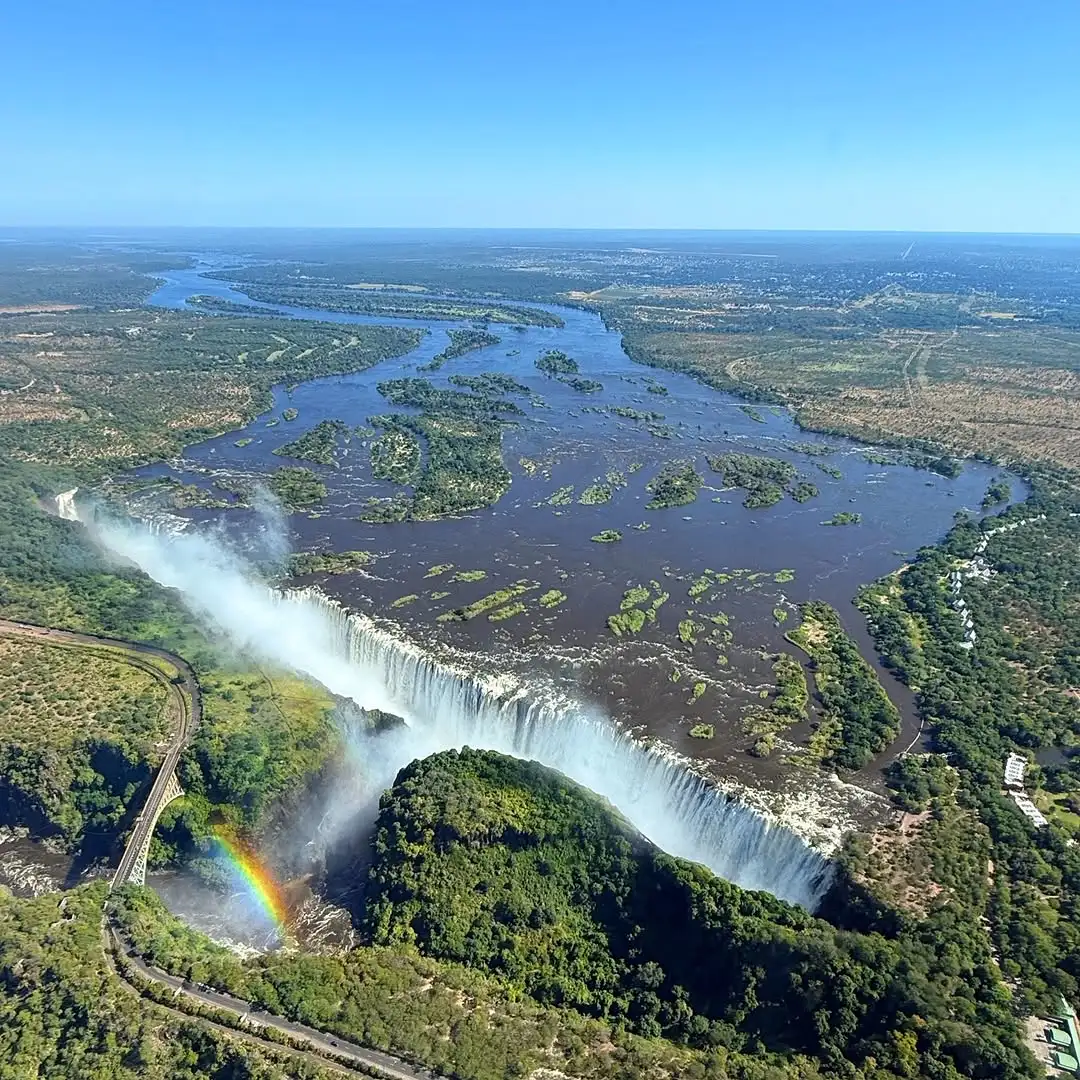
The Okavango spreads into the Kalahari instead of reaching the sea, one of the few major interior deltas.
Free quote, no obligation. We reply within 24 hours.
The Okavango Delta is an inland wetland in north-west Botswana where the Okavango River fans into the Kalahari at roughly 930 to 1,000 m (3,050 to 3,280 ft) above sea level. The UNESCO World Heritage property covers about 20,236 km² and has been listed since 2014, after Ramsar recognition in 1996.
Travellers come for mokoro canoe trips, boat safaris and game drives when floodwater peaks from June to August, and for big five wildlife around Moremi and Chief's Island. Maun is the gateway, with light aircraft linking camps across the channels.
Our guides are adding their own photos of Okavango Delta. They appear here as soon as they are uploaded.
The Okavango spreads into the Kalahari instead of reaching the sea, one of the few major interior deltas.
Flood levels peak between June and August, swelling the delta to about three times its permanent size.
Moremi covers much of the eastern delta, mixing permanent water with drier woodland.
The largest island, over 70 km long and 15 km wide, holds core wildlife when waters rise.
Inscribed in 2014 as the 1,000th site on the World Heritage List.
Shallow channels are travelled by mokoro, a dug-out canoe poled by a guide.
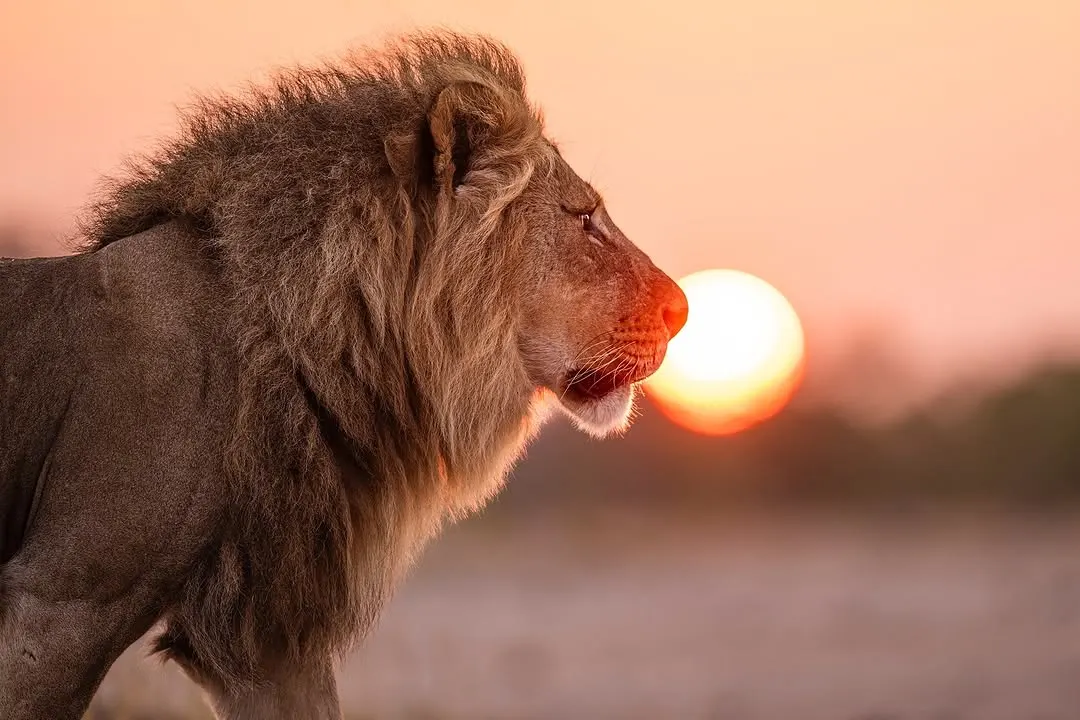
Lion, leopard, African buffalo, African bush elephant and both black and white rhinoceros are present.
Wetland antelope such as lechwe and sitatunga use the floodplains and deeper channels.
Wild dogs use the Moremi woodlands; a long-running research project has worked there since 1989.
Permanent channels hold hippopotamus and Nile crocodile among papyrus beds.
The list includes Pel's fishing owl, wattled crane, African fish eagle and African skimmer.
Tigerfish, tilapia and catfish share the system, linking historically to the Zambezi.
Papyrus, Phragmites and Typha beds fill the deeper, year-round channels.
Floodwater covers sandy plains for months, then retreats to leave lagoons and islands.
Many islands began as termite mounds; salt builds up until the centre can support little but palm.
Height varies by less than 2 m (7 ft) across about 15,000 km² of the delta surface.
June to October, high flood water and dry-season game viewing
Months June to October
What to expect Floodwaters peak mid-winter, then recede through spring heat.
Best for Mokoro trips, boats and game drives
Crowds and prices Busiest months
Months November to March
What to expect Local rains, hot days and newborn animals on the plains.
Best for Birdwatching and quieter camps
Crowds and prices Fewer visitors
Months April to May
What to expect Angolan floodwater spreads across channels before the peak.
Best for Boating as water levels rise
Every price is per person in US dollars, from the base price.
A guide poles a mokoro through shallow channels among reeds and waterbirds.
4x4 drives cover islands and dry tongues of woodland in Moremi and private concessions.
Motorboats use deeper channels for hippo, crocodile and bird viewing.
Walks on islands and sand tongues cover tracks, plants and smaller wildlife.
Light aircraft and helicopter flights show the braid of channels from the air.
Camps offer catch-and-release fishing for tigerfish and other species where permitted.
How Air
Time Charter flight
Good to know Light aircraft from Maun to camp airstrips across the delta
How Road
Good to know Self-drive or transfer into Moremi Game Reserve on the eastern side
How Air
Time Charter flight
Good to know Light aircraft links between Kasane or Chobe camps and delta airstrips
Most visitors stay in tented camps and lodges reached by light aircraft from Maun.
Moremi has camping areas at South Gate, Third Bridge, Xakanaxa and Khwai.
Maun has hotels and lodges used before or after a fly-in to the delta.
We book the lodge or camp that fits your budget when we plan your trip to Okavango Delta.
The Okavango River flows from the highlands of Angola into the Kalahari and spreads into a fan of channels, lagoons and islands. The floodwater arrives months after the rains, so the delta is fullest from about June to August, during the dry season. The delta became a UNESCO World Heritage Site in 2014.
A mokoro is a dugout canoe poled by a local guide through the reeds. Water camps offer mokoro trips and boat rides, land camps offer game drives and walks, and mixed camps offer both. Moremi Game Reserve on the eastern side can be reached by road from Maun.
The delta holds elephants, lions, leopards, buffalo, red lechwe, sitatunga and one of the largest wild dog populations in Africa. Birds include African fish eagles, pel's fishing owls and wattled cranes.
See all routes on the Botswana safari packages page.
June to October has high water and good game viewing. November to March is greener, quieter and good for birds and newborn animals.
Fly to Maun, then take a light aircraft to a camp airstrip or drive to Moremi Game Reserve.
Yes. Polers are trained guides who know the channels and keep away from hippos and elephants.
The Okavango Delta is in north-west Botswana, where the Okavango River spreads into the Kalahari. Maun is the main gateway town. The UNESCO World Heritage property covers about 20,236 km² of permanent marsh and seasonal floodplain.
Summer rain in Angola takes about a month to travel 1,200 km (750 mi) to the delta, then spreads for months. Flood levels in Botswana peak between June and August, during the dry winter.
All of the big five are present, along with giraffe, zebra, hippo, wild dog, cheetah, sitatunga, lechwe and over 400 bird species. Permanent channels also hold Nile crocodile and 71 fish species.
Yes. Guidance for Moremi Game Reserve stresses malaria precautions before, during and after a visit. Speak to your doctor or a travel clinic about prevention before you travel, and tell them which month you will be there.
Three or four nights is a common stay for mokoro trips, boats and game drives. Longer trips add a second camp in a different part of the delta or combine with Chobe.
Yes. The Okavango Delta System became a Ramsar wetland in 1996 and was inscribed as a UNESCO World Heritage Site on 22 June 2014, the 1,000th site on the list.
Three recent reviews from SafariBookings. The score covers all 19.
Read SafariBookings Reviews5/5
An unforgettable safari experience in Kenya!
I had an amazing experience with Sun Summit & Safaris! I booked a 5-day safari visiting the Masai Mara and Lake Nakuru, and it was definitely one of the highlights of my travels. The itinerary was well planned and offere...
Yamila · United Kingdom · Oct 25, 2026
5/5
Incredible 9-Day Kenya Safari with Sun Summit & Safaris
We just returned from an unforgettable 10-day safari through Kenya with Sun Summit & Safaris, and we can't recommend them highly enough. From our very first exchange, Diana was outstanding to work with. She was incredibl...
Vishak Seshadri · United States · Aug 31, 2026
5/5
Safari Bookings provided a truly exceptional white-glove experience for my family. From our initial conversation, they provided expert guidance that perfectly matched our budget. Their custom recommendations for our enti...
Francis Kayiwa · United States · Apr 7, 2026
Tell us your dates and group size. We reply within 24 hours with a priced plan in US dollars.