At Sun Summit and Safaris, we have always believed that a safari is more than a checklist of the "Big Five." It is a slow immersion into a delicate, ancient ecosystem where you are not just a spectator, but a guest of the land itself. As we look toward 2026, the philosophy of travel in East Africa is shifting. It is moving away from the hurried "transit" style of tourism toward a deeper, more intentional way of being in the wild.
Here is everything you need to know to navigate the logistical, seasonal, and soulful nuances of Kenya in 2026.
Navigating the Kenya digital Visa (eTA)
For decades, the Kenyan visa was a physical sticker and a long queue at Jomo Kenyatta International Airport. By 2026, the transition to a fully digital "Visa-Free" entry system via the Electronic Travel Authorization (eTA) has become the global standard.
While the system is designed for efficiency, it requires a shift in the traveler’s mindset. Your eTA is your digital handshake with the Republic of Kenya. It must be secured at least two to three weeks before your departure. In 2026, the system is more robust, requiring confirmed accommodation vouchers and flight details upfront.
Our Insider Advice: Do not treat the eTA as an afterthought. We recommend our guests keep digital and printed copies of their authorization, as the "paperless" transition is still occasionally met with manual checks in more remote airstrips.
When is the best time to witness the Magic
The question we are asked most often is, "When is the best time?" In 2026, climate patterns continue to reward the flexible traveler. While the Great Migration remains the headline act, Kenya’s true magic is often found in the quiet intervals.
The Great Migration (July – October): The Theater of Life
The arrival of over two million wildebeest, zebra, and gazelle into the Masai Mara is a spectacle that defies description. By 2026, we are seeing a trend toward "Migration-Adjacent" travel—staying in private conservancies like Mara North or Olare Motorogi. These areas offer the same wildlife density as the National Reserve but with strictly limited vehicle numbers, ensuring your sighting of a river crossing remains a private memory, not a crowded one.
The Emerald Season (April – June): The Photographer’s Dream
This is perhaps our favorite time of year. The "long rains" transform the parched savanna into a vibrant, neon-green carpet. The air is scrubbed clean of dust, providing a clarity of light that makes colors pop for photographers. It is a season of birth and abundance; the plains are filled with tottering foals and calves, which in turn draws out the big cats in dramatic, high-stakes hunting displays.
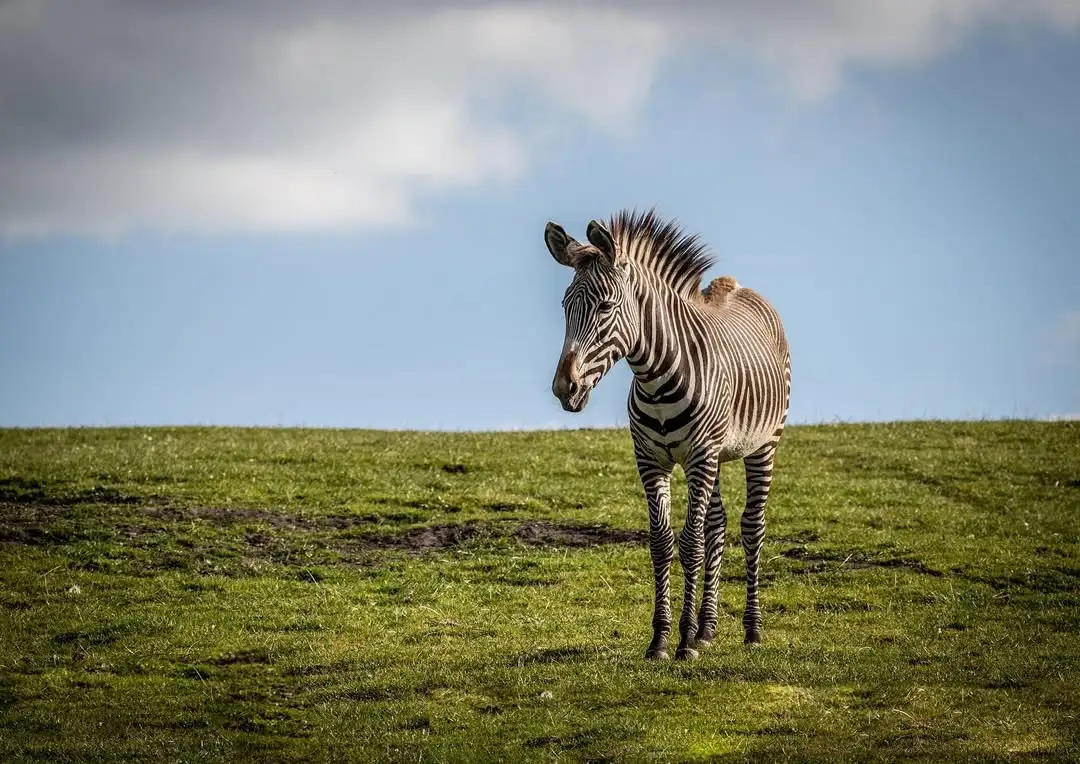
The Short Dry Season (January – March): Intimacy in the Bush
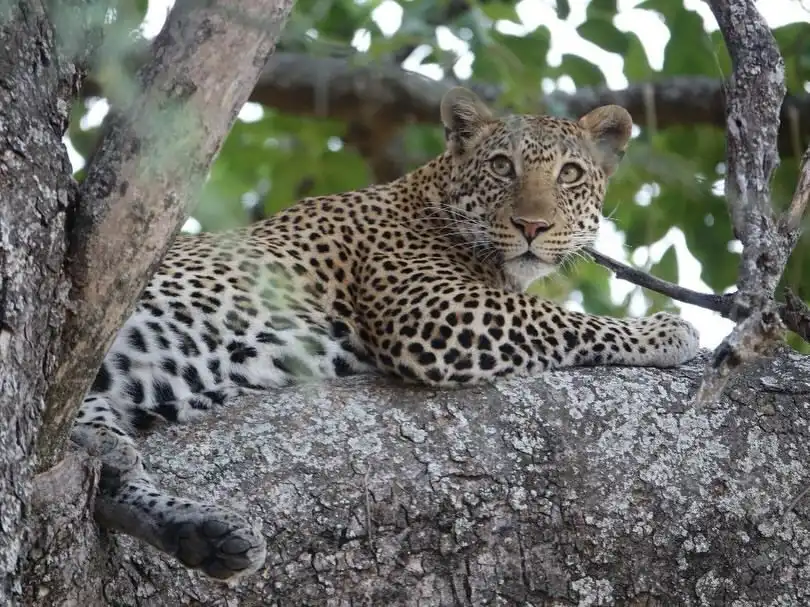
As water sources dwindle, the theater of the bush intensifies. Wildlife converges around the remaining waterholes and riverbanks. These months offer some of the most consistent big cat sightings and are perfect for those who enjoy the warmth of the African sun and balmy evenings under the stars.
Regional Deep Dives Beyond the Masai Mara
While the Mara is the heart of Kenya, the soul is scattered across its diverse landscapes. In 2026, a truly "complete" safari should look to connect these distinct ecosystems.
Amboseli and the Land of Giants
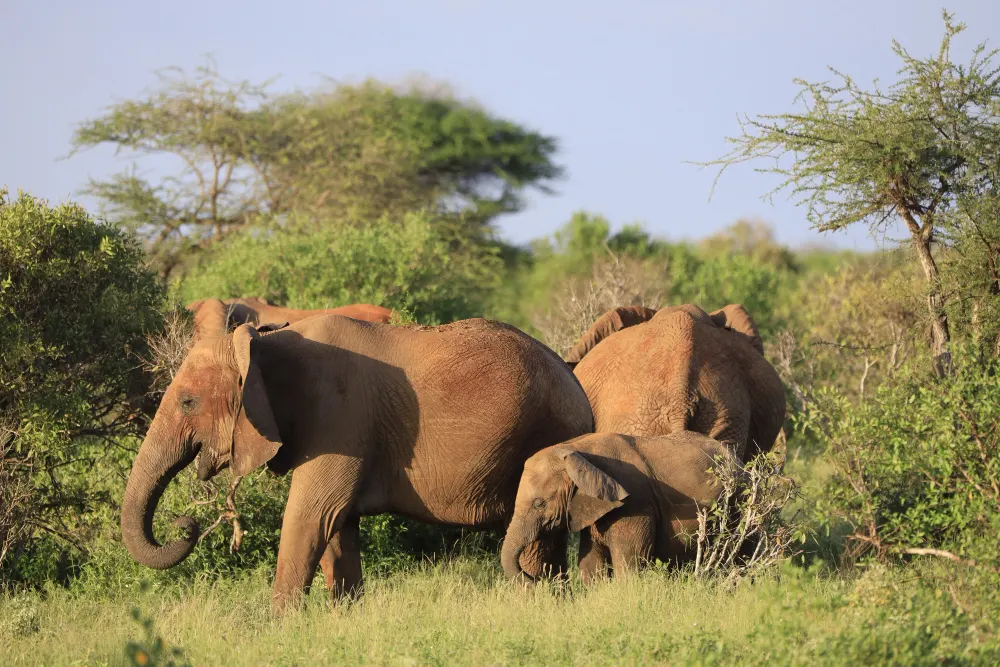
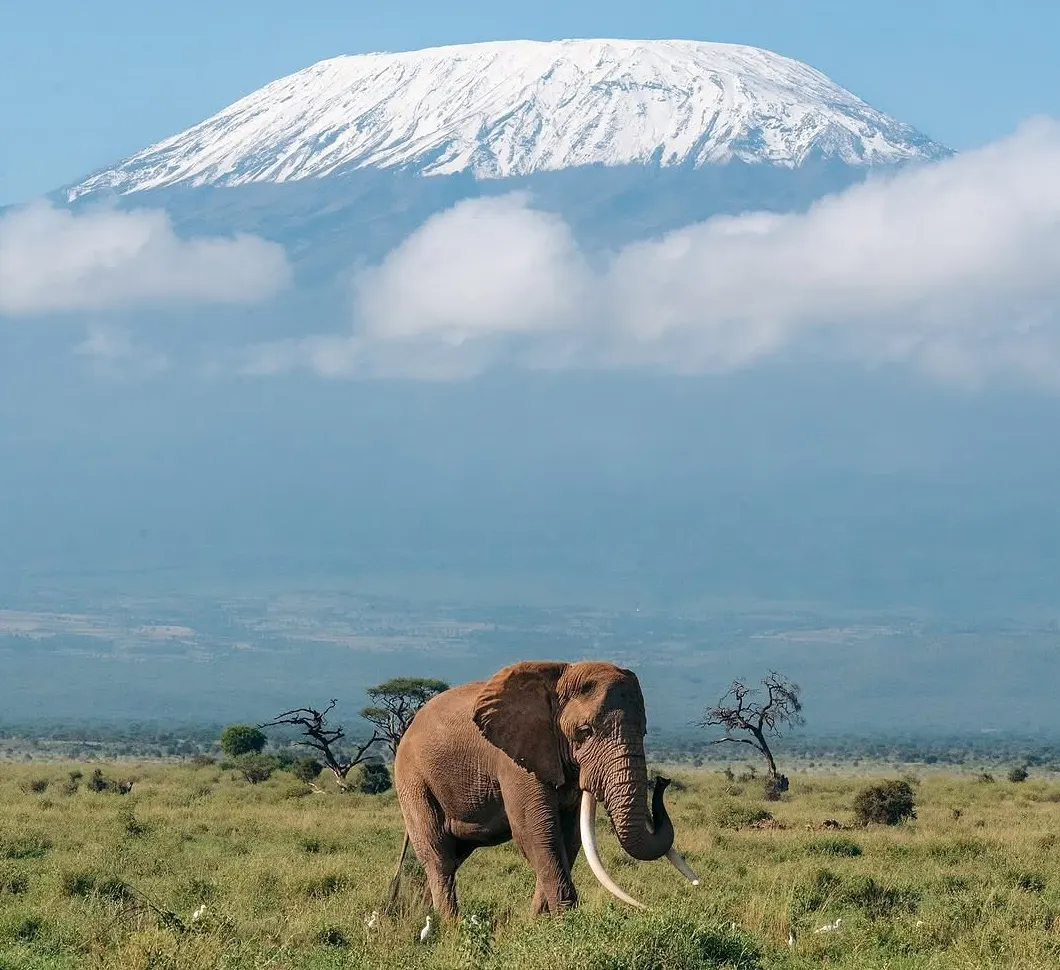
Lying in the shadow of Mount Kilimanjaro, Amboseli is the world's premier location to witness the "Great Tuskers." These matriarchal elephant herds, some of the last of their kind on earth, move with a slow, ancient grace across the dry lakebeds. In 2026, conservation efforts here have reached a pinnacle, with community-led rangers ensuring that these giants roam safely through corridors that connect to Tanzania.
Laikipia: The Wild Frontier
For the traveler seeking exclusivity and conservation-in-action, Laikipia is essential. This is not a National Park, but a patchwork of private and community-owned ranches and conservancies. It is the best place in East Africa to see the critically endangered Black and Northern White Rhino. Here, the "Asilia" spirit thrives—expect walking safaris, camel treks, and the chance to engage with the researchers who are safeguarding Africa's future.
The Kenyan Coast: A Safari Blue Ending
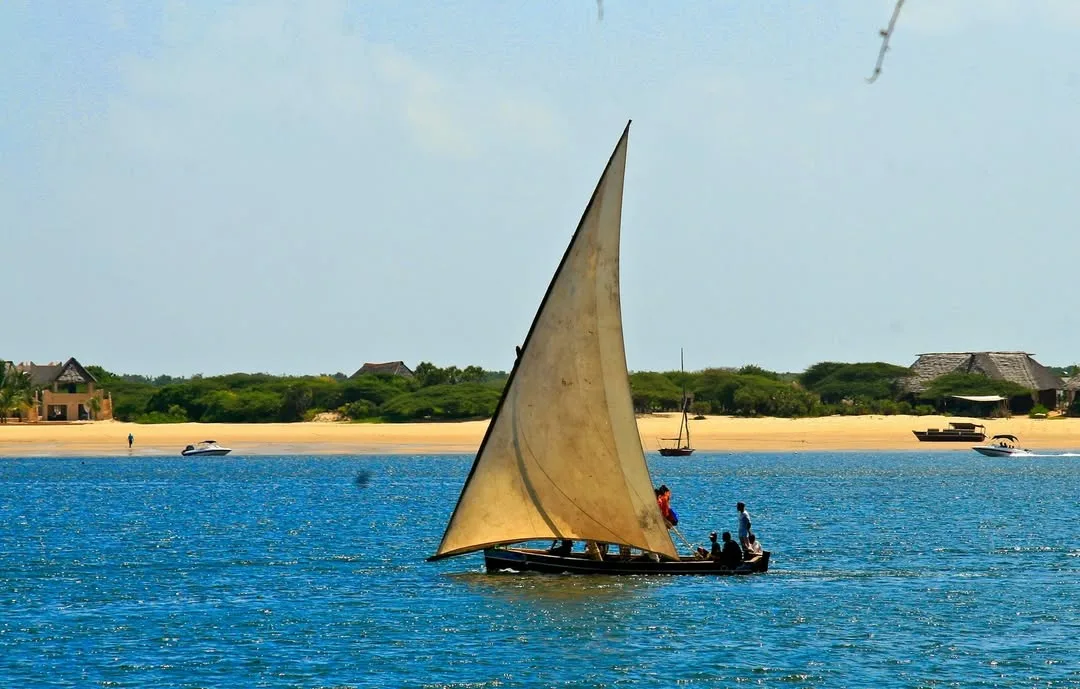
By 2026, the trend of "Bush to Beach" has matured. After the dust and early mornings of the savanna, the white sands of Diani or the historical ruins of Lamu offer the perfect decompression. Whether it’s diving in the Kisite-Mpunguti Marine Park or exploring the narrow, spice-scented alleys of Old Town, the coast provides a sensory balance to the ruggedness of the interior.
The Evolution of Conservation & Investing in the Future
In 2026, the fee structures for Kenya’s protected areas reflect the true cost of their survival. You will notice that conservation fees have risen over the last few years.
At Sun Summit and Safaris, we view these not as "travel costs," but as investments in a legacy. These funds are the front line of defense against habitat loss and poaching. They are the primary source of income for the Maasai and Samburu communities who have chosen to set aside their ancestral grazing lands for wildlife. When you plan your 2026 budget, know that your presence is directly paying for a ranger’s salary, a community clinic, or a child’s education. Your journey has a measurable, positive impact.
The Tented Camp Experience
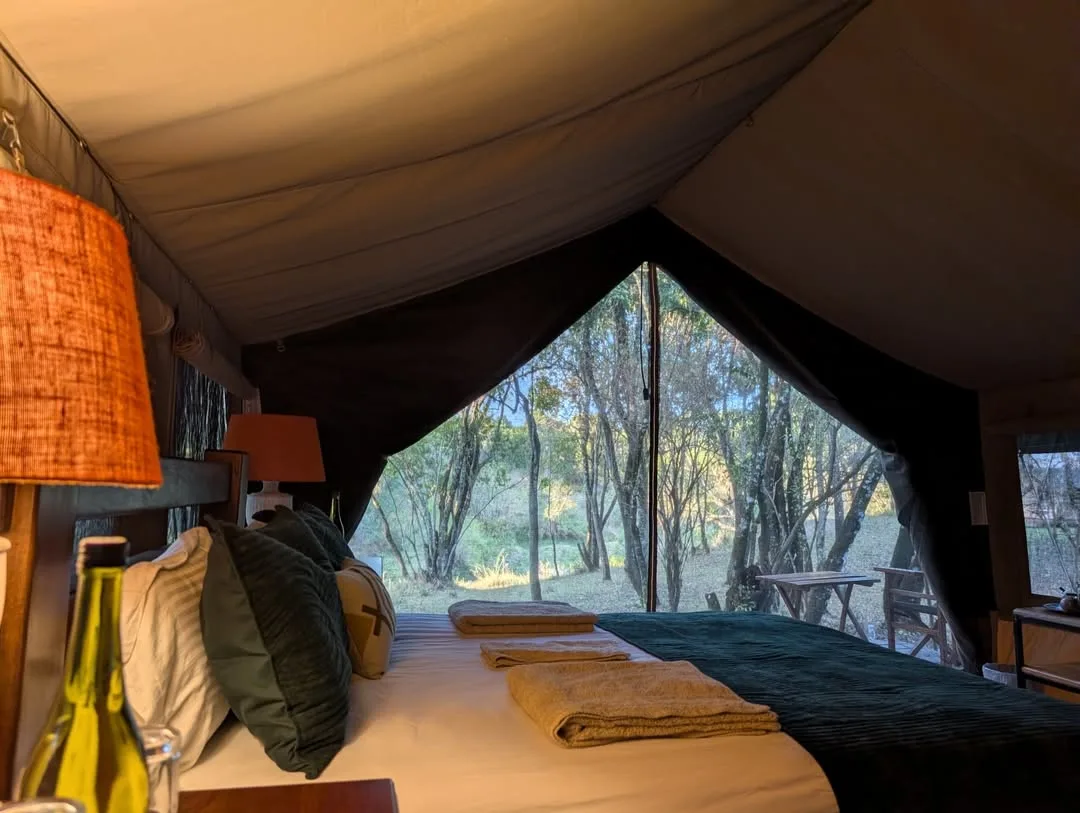
The "safari style" of 2026 is one of "barefoot elegance." We have moved away from the heavy, permanent structures of the past. The most sought-after accommodations are now high-end tented camps that can be completely dismantled, leaving the earth exactly as it was found.
We encourage our guests to look for camps that are 100% solar-powered and have eliminated single-use plastics entirely. The luxury here isn't found in air conditioning or gold faucets; it is found in the quality of the bedding, the expertise of the camp chef, and the profound silence of a night where only the canvas separates you from the wild.
What to Pack for Safari
A successful safari requires a specific mindset. It is an exercise in letting go of control. The bush does not perform on a schedule, it reveals itself only to those who are patient and present.
Packing for 2026:
-
The Duffel Rule: Most internal flights in Kenya utilize small bush planes with a strict 15kg weight limit. Use a soft-sided bag that can be easily squeezed into a cargo pod.
-
The Palette: Neutral tones—khaki, sand, and olive—are not just a fashion statement; they help you blend into the landscape and avoid attracting Tsetse flies (who are notoriously fond of dark blue and black).
-
The Sustainability Kit: Bring a high-quality reusable water bottle and binoculars. In 2026, your binoculars are more important than your camera; they allow you to witness the nuances of behavior—the flick of an ear, the tension in a lion’s shoulder—that a lens might miss.
Planning a safari is a deeply personal endeavor. It is the realization of a dream, often years in the making. At Sun Summit and Safaris, our role is not merely to book rooms or drive Jeeps; it is to act as the bridge between you and the wild. We curate the chapters of a story you will tell for the rest of your life.