The Masai Mara is one of the most famous wildlife parks in the world. You can visit the park at any time of the year and see animals, but the experience changes depending on when you go. Some months are better for seeing the Great Migration, while other months are better for saving money. This guide will help you choose the right time for your trip in 2026.
Why Timing Matters in the Masai Mara
The Masai Mara is a huge area of grass and hills. Because it is near the equator, it does not have winter or summer like Europe or America. Instead, it has dry seasons and rainy seasons. The movement of the animals depends on where the rain falls and where the grass grows. If you want to see millions of wildebeest, you have to follow the rain. If you want to see lions clearly, you should visit when the grass is short.
July to October: The Great Migration and Peak Season
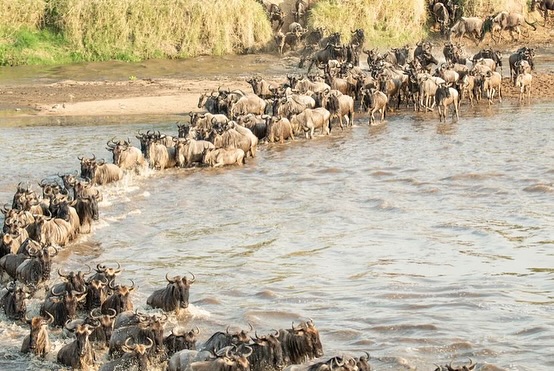
This is the most popular time to visit the Masai Mara. It is the dry season, which means the grass is short and easy to see through. During these months, over two million wildebeest, zebras, and gazelles arrive from the Serengeti in Tanzania. This is known as the Great Migration. They come to the Mara because there is still green grass for them to eat.
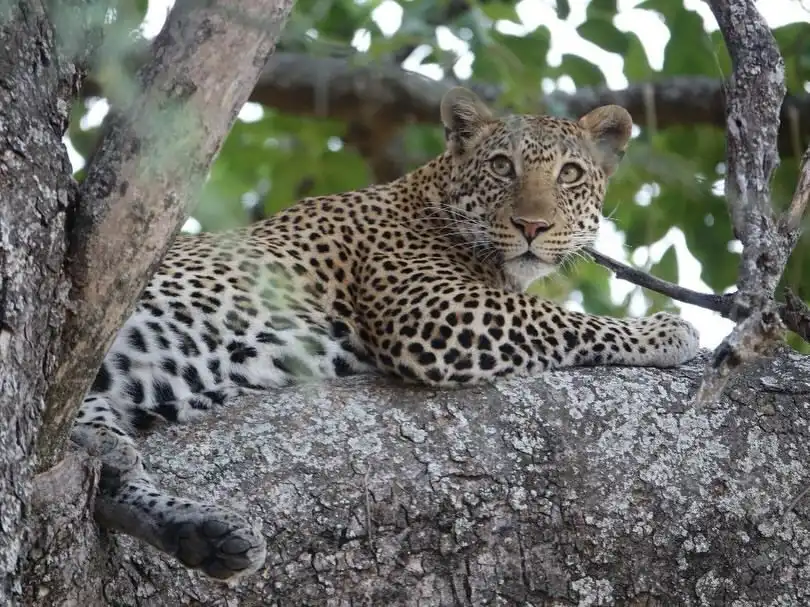
The biggest highlight during this time is the river crossing. The animals have to cross the Mara River, where large crocodiles wait for them. It is a very exciting and dramatic thing to see. Because there is so much food available, lions, leopards, and cheetahs are also very active. They wait near the river and in the tall grass to hunt the moving herds.
However, because this is the best time for wildlife, it is also the busiest time. There will be many other safari jeeps in the park. Sometimes ten or more cars will be at one lion sighting. Hotels and camps also charge their highest prices during these months. You should book your trip at least six to nine months in advance if you want to visit between July and October.
January to March: The Birthing Season and Big Cats
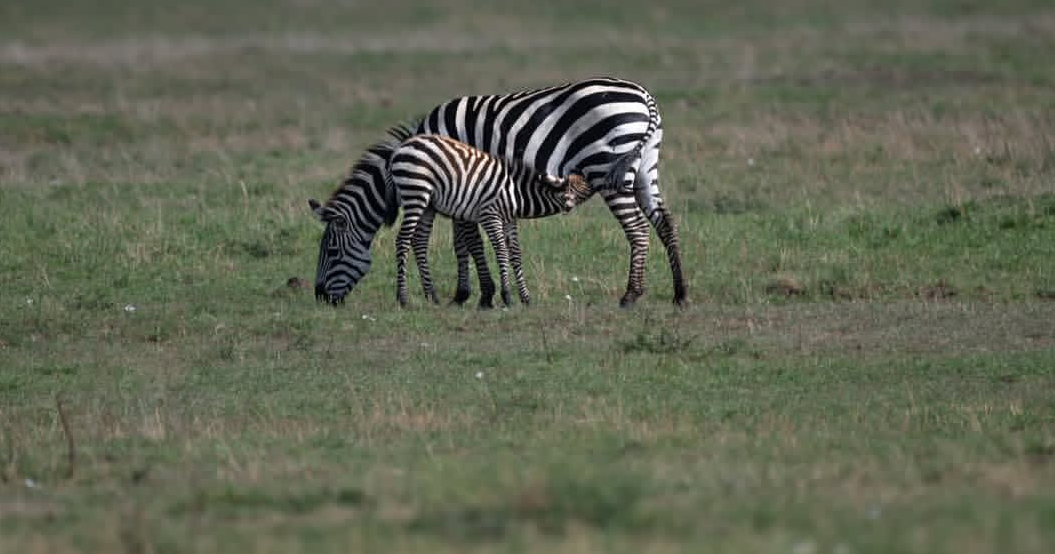
Many expert guides believe that January to March is actually the best time for a safari. The weather is dry and warm. This is the time when many animals, like antelopes and zebras, give birth to their babies. This happens because the grass is nutritious after the short rains of December.
Because there are so many young, vulnerable animals around, the "Big Cats" are very active. If you want to see a lion or a cheetah hunt, this is a great time to visit. It is easier to find the cats because the grass is not too tall. The park is much quieter than it is during the migration season, and the prices for hotels are usually lower. It is a great balance of good weather and excellent wildlife viewing.
April to June: The Green Season and Budget Travel
These months are known as the "long rains." It does not rain all day, but you should expect heavy showers in the afternoon or at night. The rain turns the dry plains into a beautiful, lush green landscape. Flowers bloom and the air is very fresh. This is why it is called the Green Season.
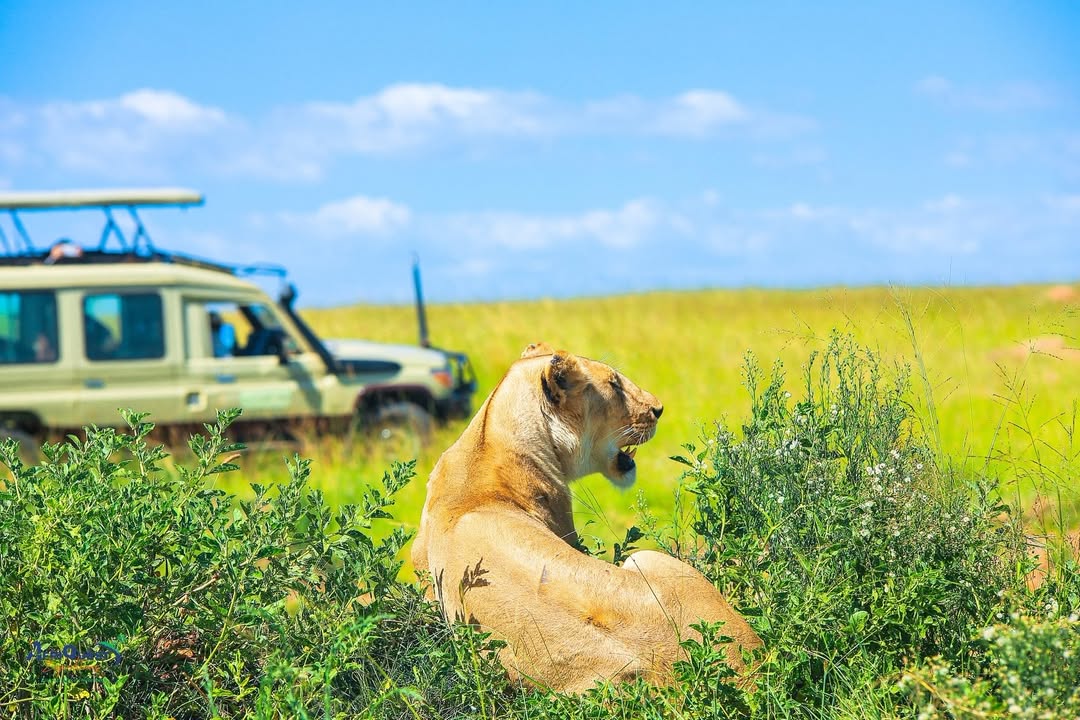
There are several benefits to traveling during this time. First, the prices are at their lowest. You can stay in luxury lodges for a fraction of the cost. Second, there are very few tourists. You might go an entire hour without seeing another safari car. This makes the experience feel very private and special.
The main challenge is the mud. Some roads in the park can become very slippery and difficult to drive on. Some smaller camps even close during these months because it is too wet. However, if you have a good 4x4 jeep and an experienced driver from Sun Summit and Safaris, you can still see plenty of animals. It is also the best time for bird watching, as many migratory birds from Europe are still in the park.
November and December: The Short Rains and Photography
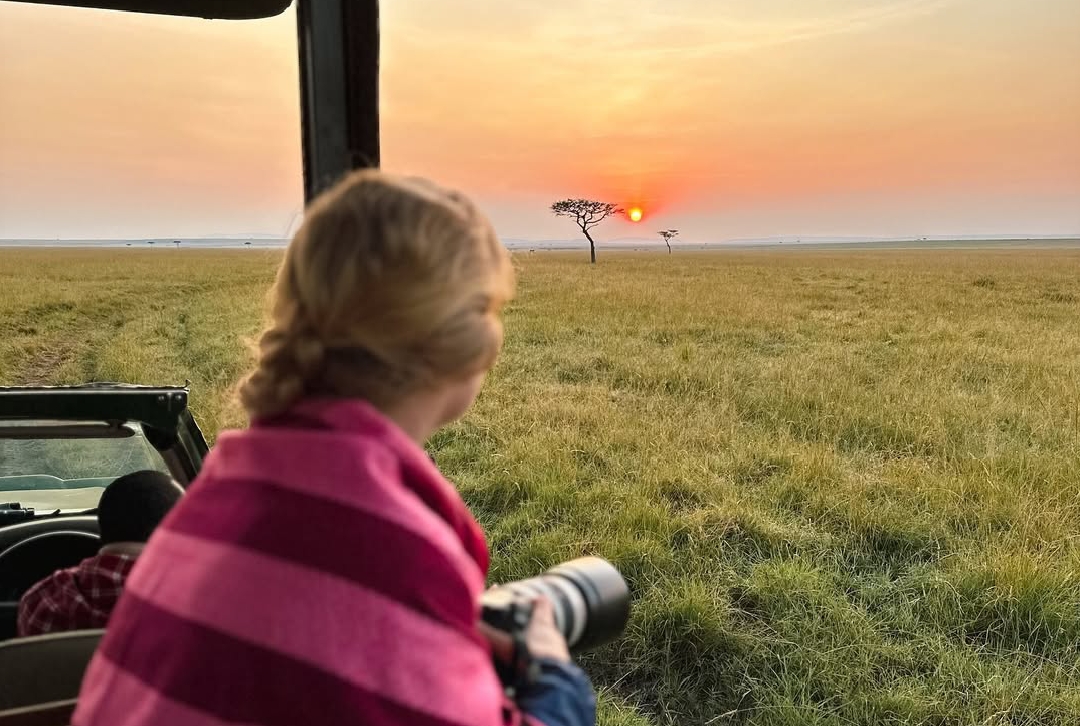
November and early December are known as the "short rains." The rain is usually light and happens mostly in the late afternoon. After the rain, the dust settles and the air becomes very clear. This makes it a perfect time for photography. The colors of the sunset are often more beautiful during these months.
The grass starts to grow again, and the park looks fresh and colorful. You can still see plenty of lions, elephants, and buffaloes. Many people choose to visit in late December to celebrate Christmas and New Year on safari. Keep in mind that prices go up again during the last two weeks of December because of the holiday season. It is a festive time, but you must book early.
Understanding the Weather and Temperatures
The Masai Mara is located at a high altitude of about 1,500 meters. This means it is rarely too hot. During the day, the temperature is usually around 25°C to 28°C (77°F to 82°F). The sun is strong, so you should always wear a hat and sunscreen.
However, the mornings and nights are surprisingly cold. If you go on an early morning game drive at 6:00 AM, the temperature can be as low as 10°C (50°F). The wind in an open safari jeep makes it feel even colder. You must pack a warm jacket, a scarf, and even a light sweater for the morning. By noon, it will be warm enough to wear a T-shirt and shorts.
A Month-by-Month Summary
-
January and February: Dry and hot. Many baby animals are born. Great for seeing lions and leopards.
-
March: The weather starts to get wetter. It is still a good time for a safari and prices are fair.
-
April and May: The wettest months. Very green, very quiet, and very cheap. Good for bird lovers.
-
June: The rain stops and the grass starts to dry. A great time to visit before the crowds arrive in July.
-
July and August: The migration arrives. Huge herds of animals and lots of river crossings. Very busy.
-
September and October: The end of the migration. The grass is very short, making it easy to see animals.
-
November and December: Light rains return. The park turns green again. Good for photography and birding.
Choosing Between the National Reserve and Conservancies
When you decide when to go, you should also think about where to stay. The Masai Mara National Reserve is the main park where anyone can drive. The Private Conservancies are lands next to the park owned by the Maasai people.
In the Conservancies, only guests staying at the local camps can go on game drives. This means there are very few cars, even during the peak migration season. They also allow activities that are not allowed in the main park, such as night drives and walking safaris. If you visit during the busy months of July and August, staying in a Conservancy is a great way to avoid the crowds.
Final Advice for Your Trip
There is no "bad" time to visit the Masai Mara. Even in the rainy season, the animals do not leave the park. They stay there all year round. Your choice should depend on what you want to see. Do you want to see the migration? Go in August. Do you want to save money and have privacy? Go in May.
At Sun Summit and Safaris, we operate tours every month of the year. We know the best tracks to take when it is muddy and the best spots to find lions when it is dry. No matter when you choose to visit, the Masai Mara will be an experience you never forget. View our Masai Mara Safari Packages