The Serengeti is one of the biggest and most famous wildlife parks in Tanzania. Because the park is so large, the best time to visit depends on which part of the park you want to see and whether you want to follow the Great Migration. This guide explains the weather and wildlife patterns to help you plan your trip in 2026.
Understanding the Great Migration Cycle
The Great Migration is a huge movement of over two million animals. They move in a big circle through the Serengeti all year round. They are always looking for green grass and water. Unlike the Masai Mara, where the animals are only present for a few months, the animals stay in the Serengeti for most of the year. You just need to know which part of the park they are in during each month.
January to March: The Calving Season in the South
During these months, the huge herds are in the Southern Serengeti and the Ndutu region. This is a very special time because it is the calving season. Thousands of wildebeest babies are born every single day.
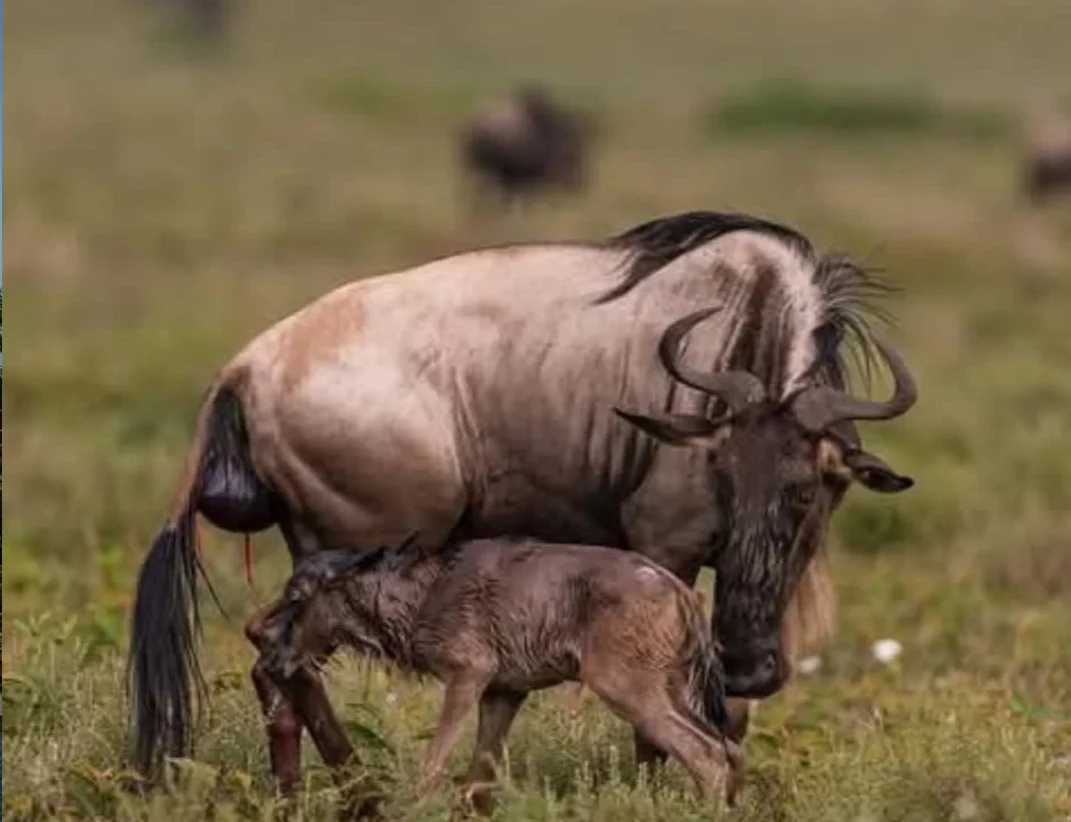
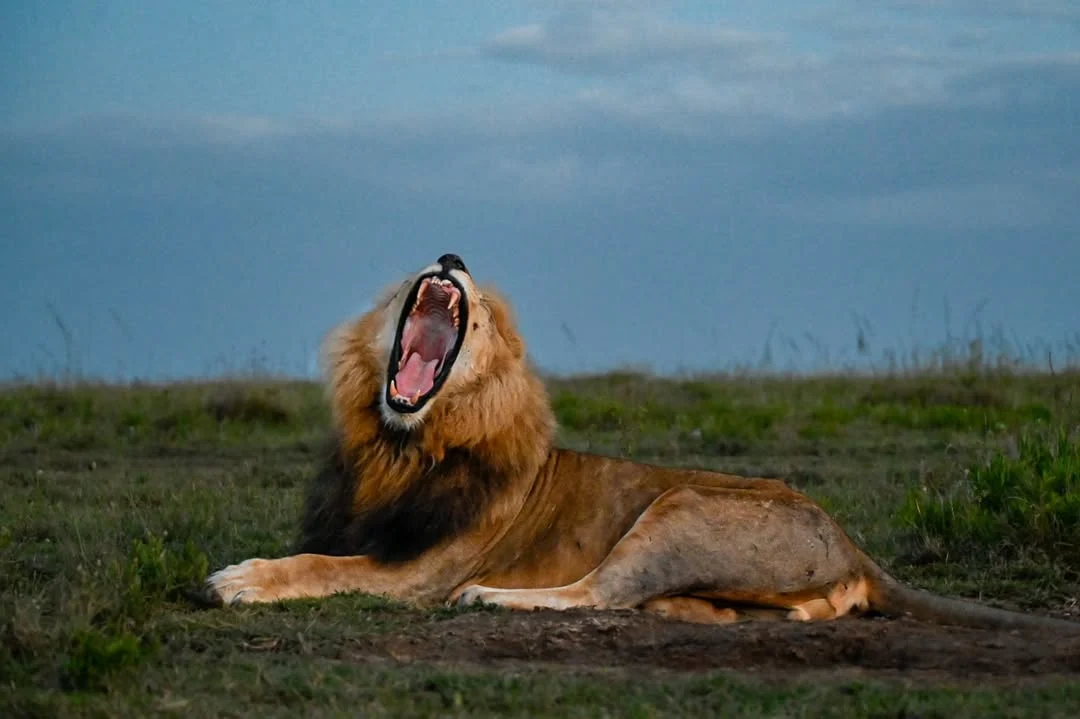
Because there are so many young and weak animals, predators like lions, cheetahs, and hyenas are very active. This is the best time to see a hunt. The grass in the south is short, which makes it very easy to see the animals. The weather is usually dry and pleasant, but it can be quite hot during the day.
April and May: The Rainy Season
These are the months of the "long rains." The Serengeti becomes very green and beautiful, but it can be very wet. Many of the dirt roads become muddy and difficult to drive on. Some smaller camps even close during this time.
However, this is the best time for travelers on a budget. Lodges drop their prices significantly to attract guests. You will also find that the park is very quiet. You can watch a lion for an hour without seeing another safari jeep. If you do not mind a bit of rain and mud, you can save a lot of money and enjoy a very private safari.
June and July: The Western Corridor
As the rain stops in June, the animals start moving North and West. They enter an area called the Western Corridor. This is where they have to cross the Grumeti River. While this river is smaller than the Mara River, it still has many large crocodiles.
The weather during these months is cooler and much drier. It is a very comfortable time for a safari. The grass starts to turn yellow and becomes shorter, which makes wildlife easier to spot. This is a great time to visit if you want to avoid the extreme heat and see the herds on the move.
August to October: The Northern Serengeti and River Crossings
This is the most famous time to visit the Serengeti. The herds move into the Northern Serengeti to cross the Mara River into Kenya. This is where you see the dramatic scenes of wildebeest jumping into the water while crocodiles attack them.
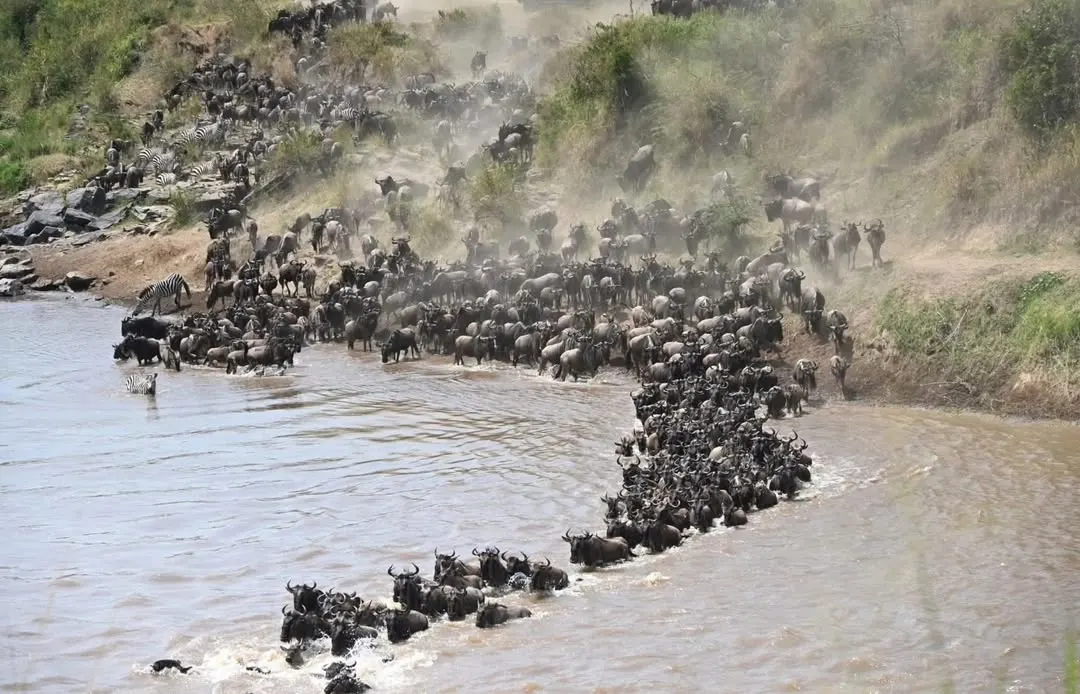
The North is very beautiful with hills and many trees. Because the river crossings are so famous, this part of the park becomes very busy with many tourists. Prices for lodges are at their highest. If you want to see the river crossings in 2026, you must book your accommodation at least eight to ten months in advance.
November and December: The Short Rains
In November, the animals start moving back South through the Eastern part of the park. This is the time of the "short rains." The rain usually happens in the afternoon and does not last very long.
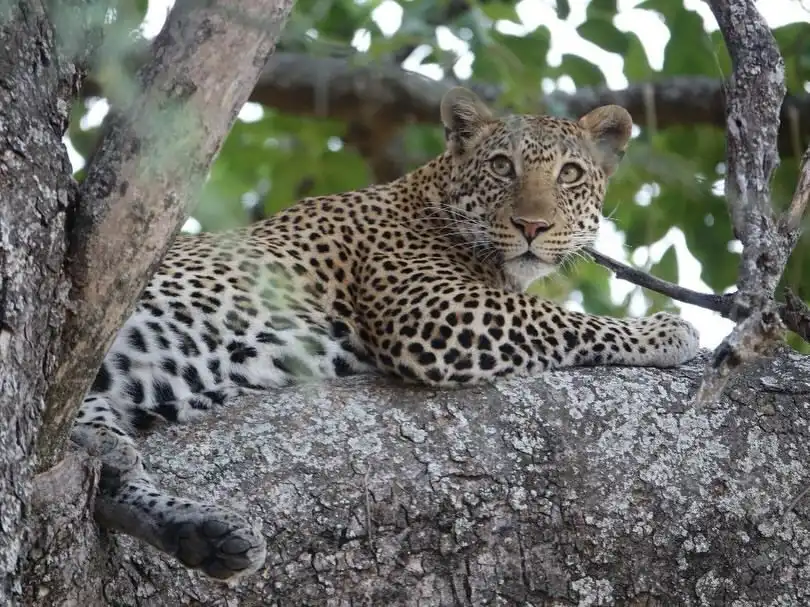
The park turns green again, and the dust disappears. This is a great time for bird watching and photography because the air is very clear. Central Serengeti, also known as Seronera, is excellent during these months. There are many resident lions and leopards in Seronera that do not move with the migration, so you are guaranteed to see wildlife.
Weather and What to Pack
The Serengeti is generally warm during the day and cold at night. In the dry season, daytime temperatures are around 25°C to 27°C (77°F to 81°F). However, at night and in the early morning, it can drop to 13°C (55°F).
You should pack layers of clothing. Bring a heavy jacket and a scarf for the morning game drives, and light shirts for the afternoon. Wear neutral colors like khaki, brown, or green. Avoid dark blue and black because they attract tsetse flies, which have a painful bite.
Summary of the Best Times
-
To see babies and hunting cats: Visit the South in February or March.
-
To see the famous river crossings: Visit the North in August or September.
-
To save money and avoid crowds: Visit in April or May.
-
For the best overall weather: Visit in June, July, or October.
Final Advice for Your Safari
The Serengeti is so big that you should spend at least four or five days there to see it properly. At Sun Summit and Safaris, we recommend combining different parts of the park. For example, you can spend two nights in the Central Serengeti and two nights in the North. This gives you the best chance to see all the different animals and landscapes. View our Serengeti Safari Packages